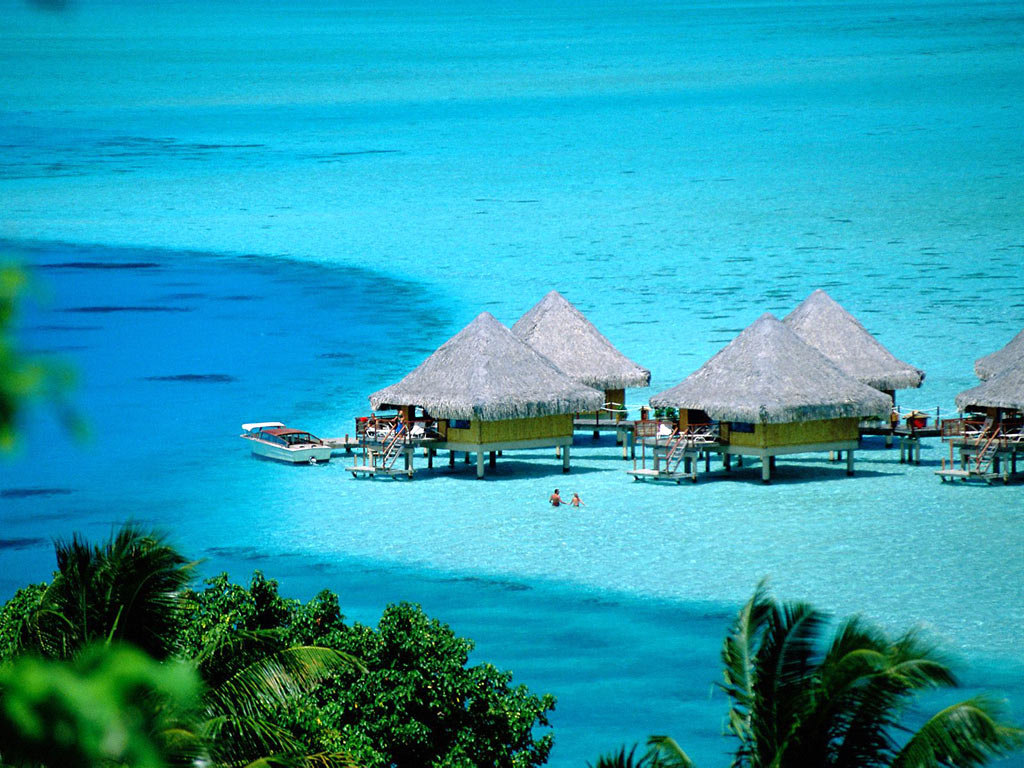
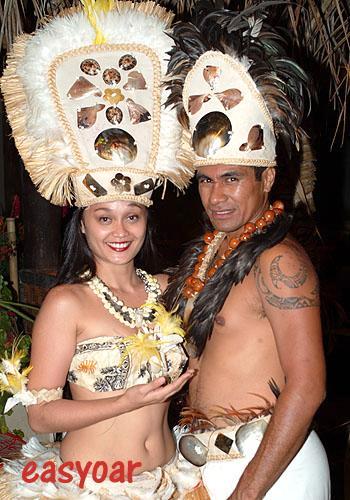
In every culture, communication is vital. History and ancestry are passed down through the generations and the culture is formed by this very process. However, in French Polynesia, communication takes on a different meaning. Dance, song, stories, and pictures are how the culture in Varua Tupu is shared. The first example I will use is the picture on page 12. It was so striking to me because of the isolation of the hut. It seems that the hut is in its own world, and completely unaware of the nations beyond the great ocean it sits beside. It is almost hidden from view in the forest. This reflects how separated French Polynesia was before “the strange ships” started appearing, before the missionaries, before Captain Cook. Their culture was completely untouched by the outside world and they were completely innocent of any threat of nations coming in and conquering them. The second example is in the middle of the book on page 84. The poem “Devour Ravaged Time” also affected my because of how sad it sounded. It spoke of a nation that had lost its identity and was in essence wasting time. The author cried for a new generation that would bring back the ancestors of PolynesiaPolynesia” (pg 85, second para. 2, lines 7-9). He continues to mourn about how their history which was so intact and untouched has now been lost. “It’s been far too long since I reached down into myself to find the roots of my people, just as the new generation waders about, lost in its own homeland” (page 86, para. 2, lines 9-13). The Polynesian people no longer know who they are or where they have come from. Since the far away nations had tread across the ocean and invaded that little hut by the sea. “You must bring forth yet another generation! But it must be a generation born from the deep essence of The third example is the picture on page 171 of the two dancers practicing before the Festival of Arts of the Marquesas. In the picture, an older dancer is giving a younger dancer tips for how to perform the dance at the festival. The dances communicate not with words, but with beats, movement, and expressions the thing that they had lost in “Devour Ravaged Time,” their history. On the platform of the Festival of Arts of the Marquesas, Polynesian culture is proudly displayed to an international audience. It has become something of a treasure to say you have seen. This is a 180 degree flip from the poem, because they have now gained their culture back and have pride for their ancestry and their history. The tribes in French Polynesia have had rough times. Their history was threatened into obliteration by outsiders coming in and deciding what the culture should and should not do. Their very forms of communication was almost extinct. However, the people persevered and now they have world-wide acclaim for who they are and where they came from. |
||
 |
 |
|
